
In my educational workshops, one common question asked is how to respond when an autistic child does not want to leave school for home. While it’s natural to worry about potential issues at home, often the reasons are more complex and involve the child’s experiences and needs at school.
I vividly remember an incident involving my autistic grandson Logan, who was four at the time and had limited verbal skills. Raised by me, he typically looked forward to our reunions at the end of his school day. However, one day, he tearfully refused to leave, leading to a full meltdown in front of his classroom door. Despite efforts by his teacher and me, Logan was inconsolable—until Mrs. Therisa intervened.
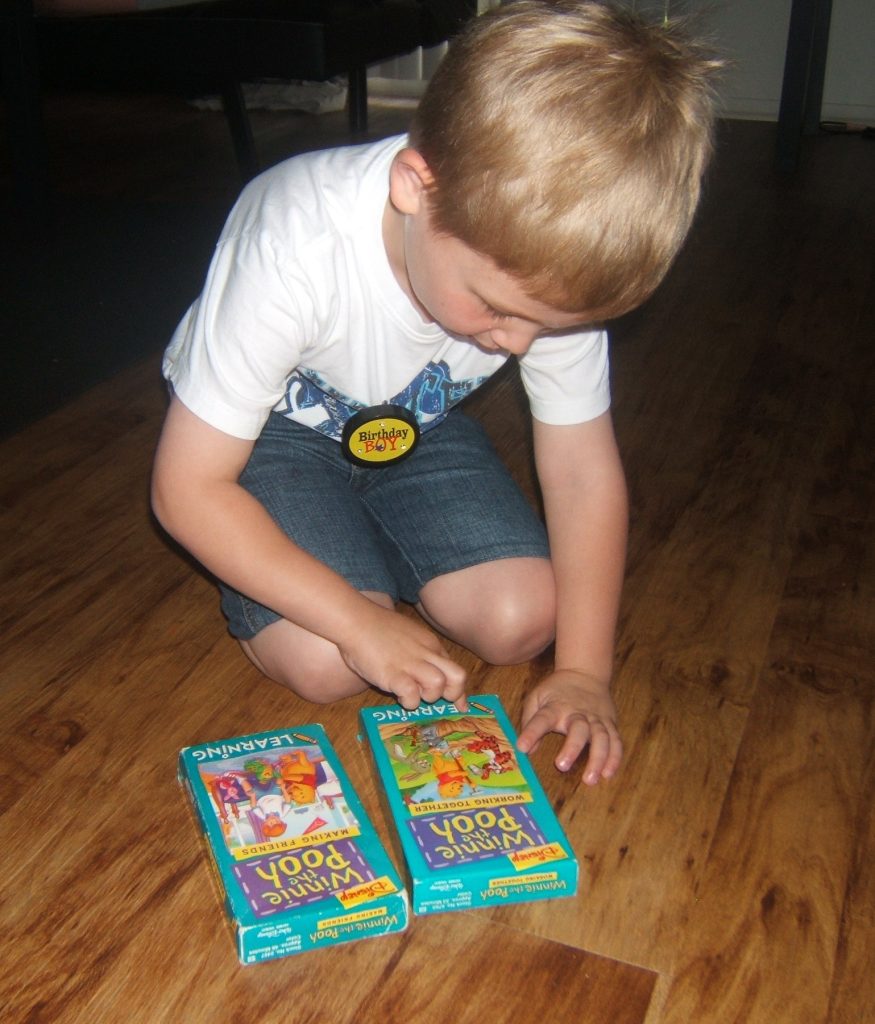
Mrs. Therisa, his preschool teacher, approached the situation with remarkable empathy and patience. She got down on the floor, lay down beside Logan in the hallway, and quietly asked, “What is it, Logan? What do you want?” This simple, calm inquiry prompted Logan to get up, take her hand, and lead her to his special education classroom. There, he pointed to a shelf of VCR tapes and indicated his desire to take a Winnie the Pooh video home—a video they hadn’t finished watching in class. Understanding his special interest in Winnie the Pooh and his attachment to the video, his teachers allowed him to borrow it, knowing I would be sure to return it.
This incident is a touching reminder that behavior is always a form of communication, especially for verbally limited children. Logan’s refusal to go home wasn’t a sign of distress at home but a simple desire to continue an enjoyable activity that had abruptly ended.
Applying the Mrs. Therisa Approach
Teachers and caregivers can take several steps when faced with similar challenges:
- Get on the Child’s Level: By physically lowering yourself to the child’s eye level, you create a more inviting and less intimidating space for interaction. This gesture can make children feel more comfortable and valued, fostering a better communicative environment.
- Provide a Way for the Child to Communicate: For non-verbal children, it’s essential to provide alternative communication methods. Tools like picture exchange communication systems (PECS), sign language, or technological aids like speech-generating devices can empower these children to express their needs and engage more effectively with others.
- Remain Patient and Open: Being patient and asking open-ended questions encourages children to share their thoughts and feelings at their own pace. This approach is especially important for children with difficulty expressing themselves, as it gives them the space and time to communicate effectively.
- Understand the Individual’s Context: Recognizing the unique circumstances of each child helps in understanding their behavior and needs better. Factors like family dynamics, recent changes at home, or emotional stressors should be considered to provide appropriate support and interventions.
- Foster a Connection: Establishing a trusting relationship with a child is crucial for their emotional and communicative development. When children feel secure and understood, they are more likely to open up and engage in meaningful interactions.
- Collaborate with Caregivers: Maintaining open communication with a child’s caregivers allows for a consistent approach to their needs across different environments. Caregivers can provide valuable insights into the child’s behavior and needs, helping to align strategies at home and in educational settings.
Through patient and loving communication, similar to that demonstrated by Mrs. Therisa, teachers and caregivers can effectively address and understand the underlying messages in a child’s behavior. This approach resolves immediate issues and also builds trust and understanding between the child and the teacher.
Will You Be a Mrs. Therisa?
Mrs. Therisa taught me that day that each interaction with an autistic child is a valuable opportunity to learn more about their unique needs and how best to support their development and well-being. By committing to adapt and learn, we can transform our classrooms into nurturing and inclusive spaces for all students, just like Mrs. Therisa’s.
How do you address challenging behaviors? Can you adopt some of Mrs. Therisa’s methods to enhance communication and understanding in your classroom?