
Summer break can be both a relief and a challenge, especially when your child thrives on routine. The good news? With a little planning and a lot of heart, you can create a meaningful, enjoyable summer that meets your child’s unique needs.
Autistic children often feel more secure with structure. While summer brings flexibility, try to maintain a simple daily rhythm:
1. Stick to a Predictable Routine (With Room to Breathe)
- Use visual schedules or checklists
- Keep regular wake-up, mealtime, and bedtime routines as much as possible
- Preview any changes in advance to reduce anxiety
Even a loose routine is better than none. You don’t need perfection—just consistency.
2. Follow Their Passions
Special interests aren’t just hobbies—they’re powerful engagement tools:
- Turn interests into projects (like building a LEGO city or keeping a dinosaur journal)
- Plan themed outings or library visits
- Encourage storytelling, art, or online exploration around their favorite topics
When you meet them where they are excited, connection comes naturally.
3. Think Sensory-Friendly
Many autistic kids have strong sensory preferences. Keep comfort in mind when choosing activities:
- Water play, nature walks, or quiet craft time are often calming
- Use noise-canceling headphones or sunglasses for outings
- Offer breaks in a cozy, low-stimulation space
You know your child best—trust your instincts about what helps them feel safe and calm.
4. Support Social Time—Gently
Social interaction matters, but it doesn’t have to be forced:
- Invite one or two trusted friends for short visits
- Try cooperative games or shared-interest clubs
- Allow solo time to recharge—it’s not avoidance, it’s self-regulation
Quality matters more than quantity. Celebrate small social steps.
5. Build Life Skills Through Play
Use everyday moments to build independence in fun ways:
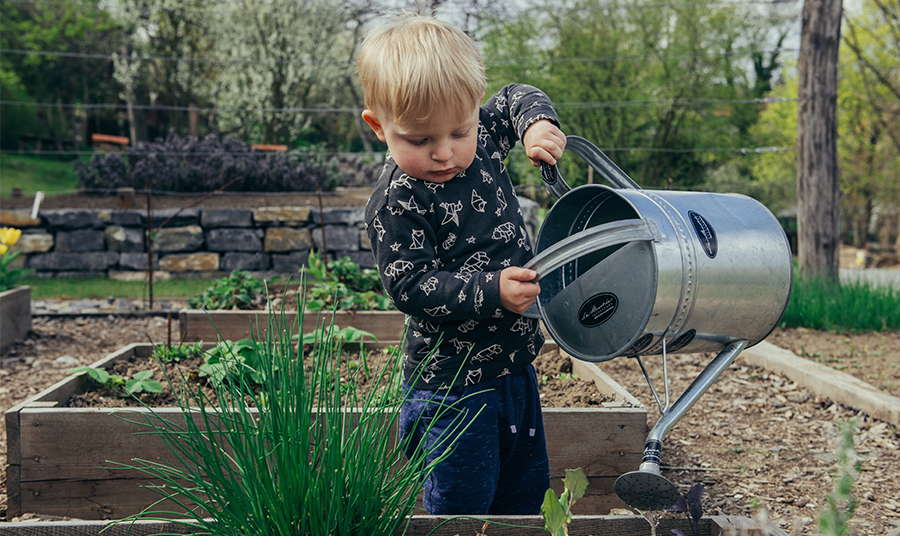
- Cooking, gardening, or organizing toys = real-life learning
- Break tasks into steps with visuals or checklists
- Praise effort, not just outcomes
Little wins add up. Your support builds long-term confidence.
Most importantly, give yourself grace. You’re doing a great job. Every effort you make to understand and connect with your child makes a difference.